
Deck Repairs in Easton: Matching Replacement Boards to an Older Deck
A practical guide to matching replacement deck boards, checking physical compatibility and deciding how much visual contrast is acceptable.
Define What the Repair Needs to Match
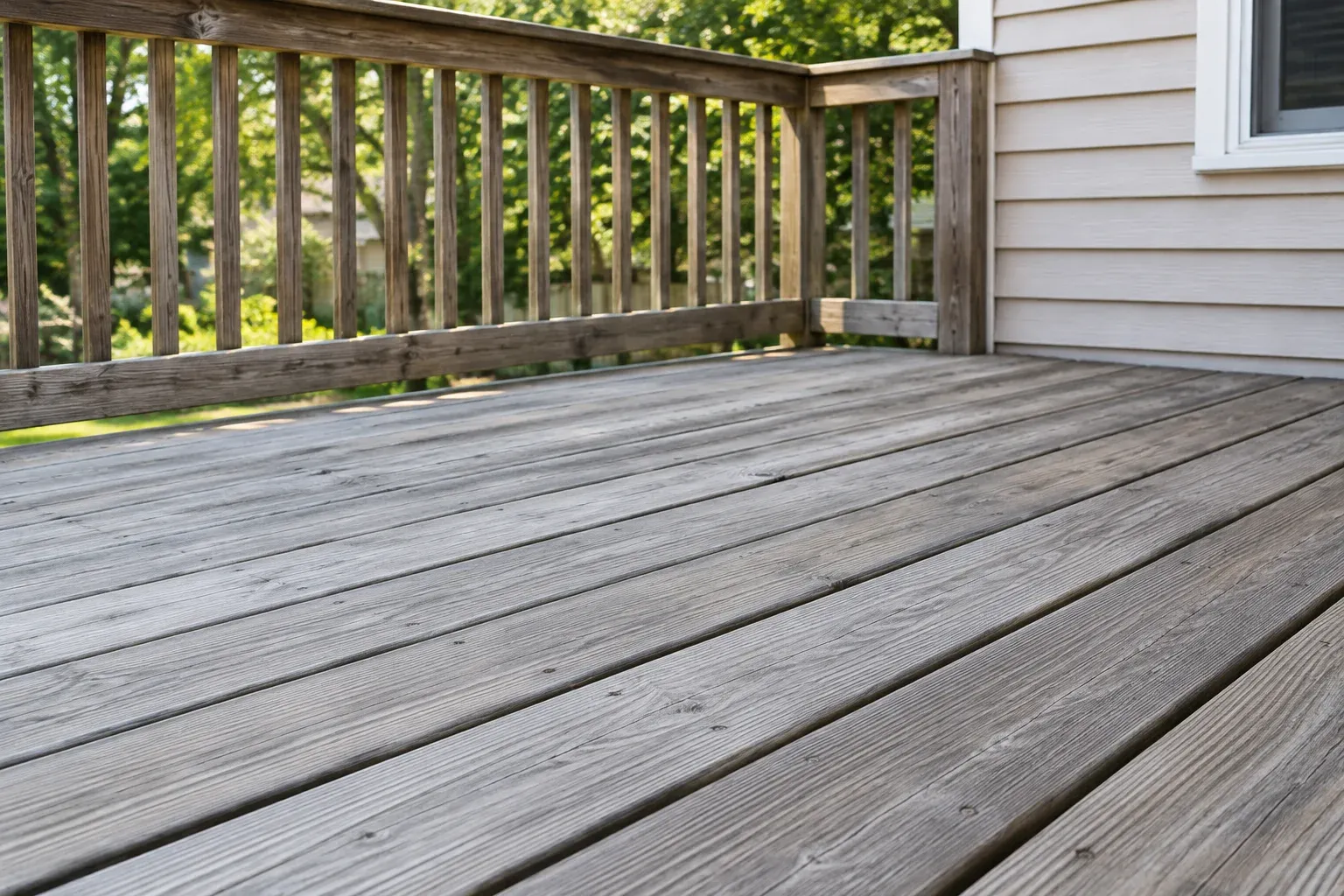
Deck repairs in Easton can leave an obvious patch even when the replacement boards fit correctly. Older decking has accumulated wear, sunlight exposure and previous finish treatments that new material cannot instantly reproduce. The practical goal is to find a physically compatible board, understand how its appearance differs, and choose a repair boundary that looks deliberate rather than accidental. Color is only one part of that decision.
Start by separating cosmetic concerns from performance concerns. A faded but sound board presents a different problem from a soft board, a loose connection or deteriorated framing underneath. If movement, decay or questionable support is present, have a qualified professional evaluate the affected area before choosing finish colors. A close visual match does not make an unsuitable board or an unresolved structural problem acceptable.
Identify the Existing Decking Before Shopping
Identify whether the deck surface is solid wood, wood-plastic composite or another manufactured product. For wood, old receipts, leftover pieces and an accessible unfinished end can help narrow the species and treatment history. Surface color alone is unreliable because stains and weathering conceal identifying features. For manufactured decking, look for original paperwork or accessible product markings without dismantling sound areas merely to search for a name.
Record the manufacturer and product line when they can be established, but do not assume a current board with the same color name is unchanged. Profiles, dimensions and fastening systems can differ between generations. The fit-first principle discussed in matching a replacement faucet to an existing sink applies here too: the visible finish matters only after the replacement is compatible with what remains. Keep uncertain identifications clearly marked as uncertain when requesting samples.
Check Dimensions, Edges and Fastening Compatibility
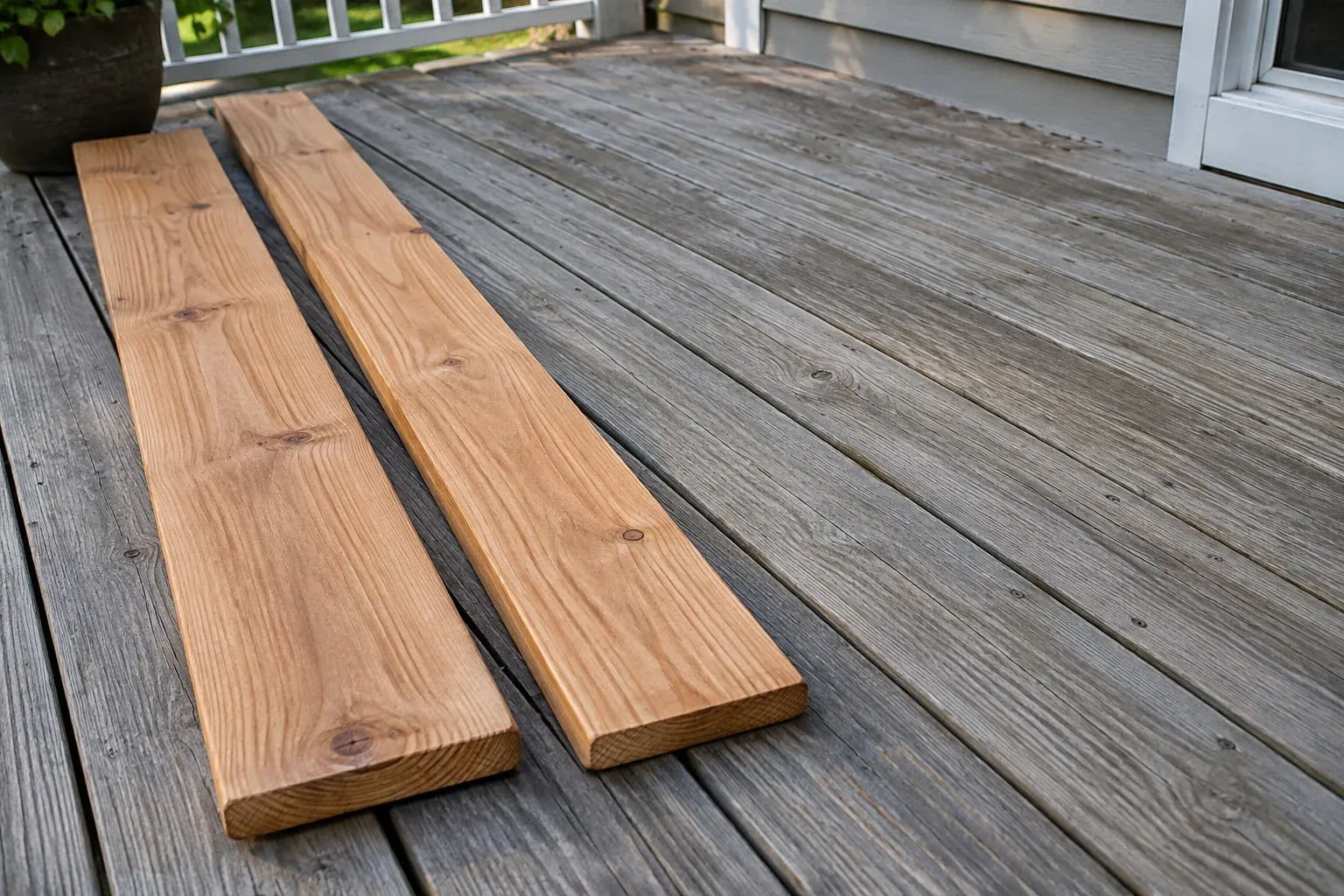
Measure actual thickness and face width at several sound boards rather than relying on a nominal lumber description. Record board lengths, existing gaps, edge rounding and any side grooves. A replacement that is slightly thicker may create a raised edge; one that is narrower can disrupt the spacing pattern. Wood moisture content can affect dimensions, so discuss expected movement rather than demanding identical gaps under every condition.
For composite decking, confirm the replacement’s support and fastening requirements against the applicable manufacturer instructions. Similar-looking grooves do not establish clip compatibility. Before anyone purchases material, assign responsibility for verifying the specification and handling unsuitable stock. This is especially useful for rental-property managers and commercial operators; the same purchasing issue appears in deciding who supplies project materials. A written board specification is more useful than a photograph sent with an instruction to match it.
Compare Weathered and New Surfaces Fairly
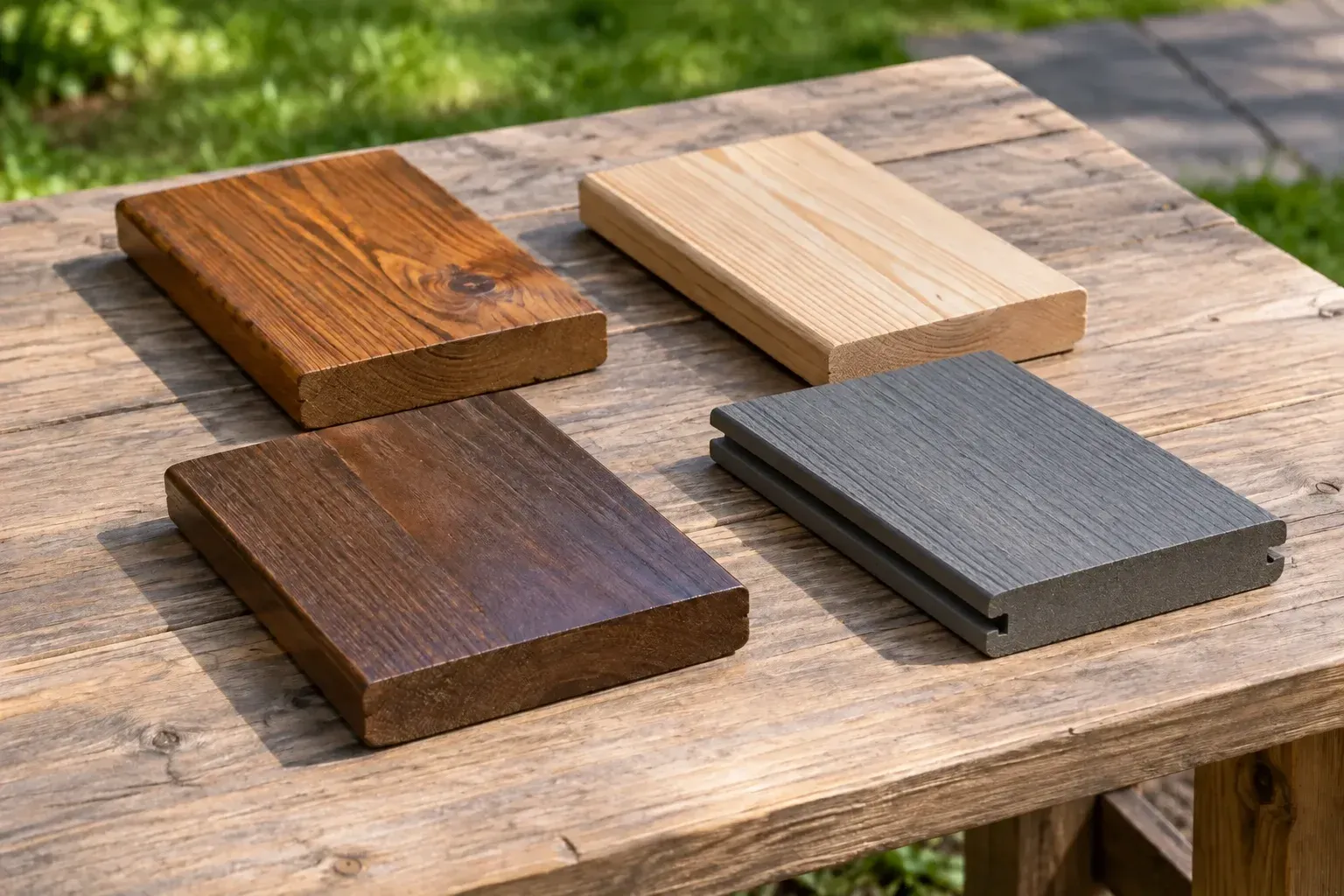
Compare samples beside a representative clean, dry section of the existing deck. Dirt, algae and dampness can make the old surface appear darker or greener than it actually is. If cleaning is planned, test an appropriate method first and let the area dry before selecting a color. Avoid aggressive washing or sanding simply to expose a fresh-looking patch, since those methods can damage some decking surfaces.
View the comparison in sun and shade, both close up and from the doorway or seating area. New wood may look warmer and smoother; older boards may show raised grain, checking and uneven fading. Manufactured boards may differ in sheen or embossed texture even when their basic color is close. Photographing samples can help keep records, but make the final judgment in person because camera exposure and screens alter color.
Choose a Repair Boundary That Makes Sense
An isolated short patch draws attention because it introduces both a color change and extra board ends. Where feasible, replacing a complete board can create a quieter result. However, replacement lengths and joint positions must work with suitable support and fastening details. Do not choose a joint location solely because it hides beneath furniture. Any additional support or altered layout should be addressed as part of the repair scope.
The visual principle behind planning seams before fabrication is useful here: decide where transitions belong before ordering material. On a deck, that might mean following an existing board pattern rather than scattering short replacements across the walking surface. Replacing a larger grouping can sometimes look more intentional, but it also increases material and labor. Compare that option with accepting a visible, sound localized repair rather than automatically expanding the project.
Test the Finish Instead of Promising an Exact Match
For wood decking, test the proposed finish on representative replacement material and, where appropriate, an inconspicuous existing area. Follow the finish manufacturer’s preparation, drying and application directions. New treated lumber may need time to reach a suitable moisture condition, but a fixed waiting period is not reliable for every board or product. Use the coating requirements rather than a calendar-based promise that the wood will be ready.
Transparent finishes reveal grain and underlying color differences. More opaque products may reduce color contrast, but they do not erase differences in texture or board shape, and they introduce their own maintenance requirements. Existing coatings also affect what can be applied successfully. Do not assume composite decking can be sanded or coated like wood; check its manufacturer’s guidance. Evaluate a fully dried test before committing to the entire repair area.
Agree on the Finished Result Before Work Begins
Define an acceptable result before work starts: a compatible board with some contrast, a closer match after broader refinishing, or a deliberately contrasting replacement section where appropriate. Specify the chosen material, repair extent, preparation and finish in writing. For occupied properties, also plan temporary access restrictions. Deck repairs in Easton are easier to evaluate when everyone shares the same standard rather than expecting new boards to disappear immediately.
Review the deck from its normal walking and seating positions, using furniture and walking-route planning to identify the most noticeable transitions without concealing defects. When reviewing proposals, the scope-first approach in comparing remodeling quotes helps separate board replacement from optional cleaning or refinishing. Keep a labeled spare sample and finish record afterward. A realistic material match, clear scope and documented finish choice provide a practical basis for deck repairs in Easton.
- Confirm material and actual board dimensions before ordering.
- Compare clean, dry samples in more than one lighting condition.
- Approve repair boundaries and finish tests before broader work.
- Expect some visible difference between new and weathered decking.
Frequently asked questions
Will new wood eventually turn the same gray as the existing deck?
It may become less conspicuous, but an exact match is not predictable. Wood species, sun exposure, moisture, previous coatings and surface wear affect how each board changes.
Can discontinued composite decking be replaced with a similar-looking board?
Appearance alone is not enough. Confirm the replacement board’s dimensions, support requirements, edge profile and fastening compatibility. If those cannot be verified, a different repair layout may be necessary.
Should the whole deck be stained after replacing a few boards?
Not automatically. First check whether the existing coating and replacement material can accept the proposed finish. Test the preparation and finish on representative surfaces before deciding whether broader refinishing is worthwhile.